Optimal Timing for Swale Installations
Swale installations are most effective when performed during specific seasonal periods to ensure optimal soil conditions and plant establishment. Timing depends on climate, soil moisture, and vegetation growth cycles, influencing the durability and effectiveness of the installation.
Spring offers moderate temperatures and increased soil moisture, promoting quick establishment of swales and vegetation.
Fall provides cooler weather and natural rainfall, aiding in soil stabilization and root growth before winter.
High temperatures and dry conditions in summer can hinder plant growth and soil stability, making it less ideal for installation.
Timing should align with regional weather patterns to maximize soil conditions and plant health.
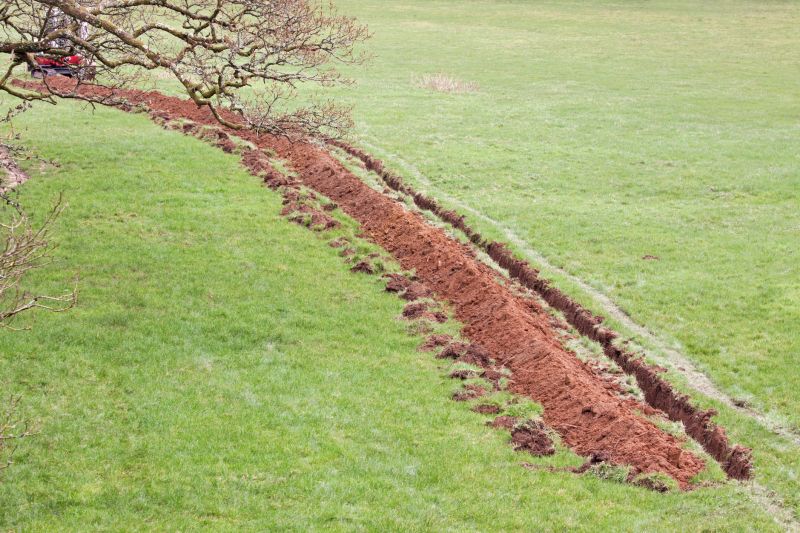
Ways to make Swale Installations work in tight or awkward layouts.
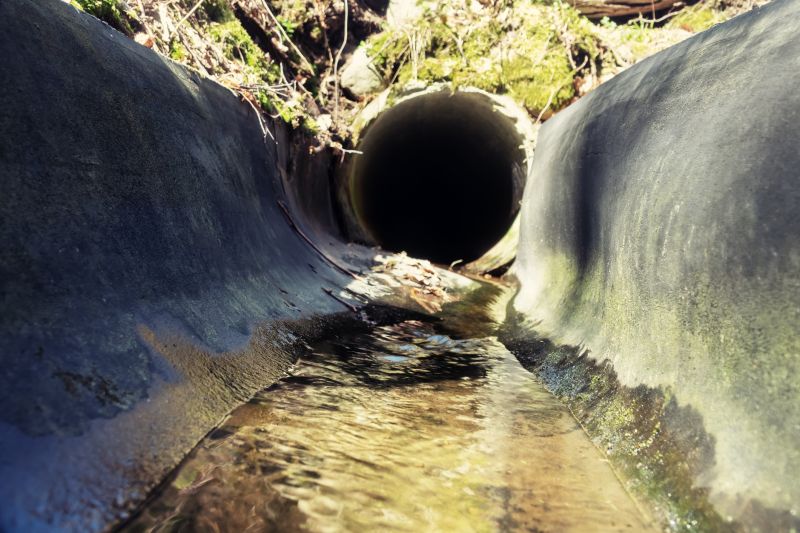
Popular materials for Swale Installations and why they hold up over time.
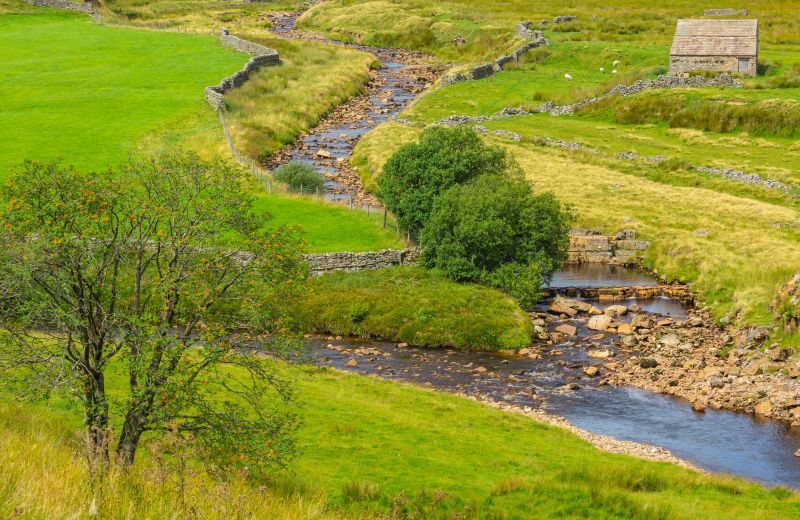
Simple add-ons that improve Swale Installations without blowing the budget.
High-end options that actually feel worth it for Swale Installations.
Swale installations involve shaping the land to create shallow, vegetated channels that direct water flow, reduce erosion, and improve water infiltration. Proper timing enhances the effectiveness of these structures by allowing plants to establish and soil to stabilize, which is crucial for long-term performance.
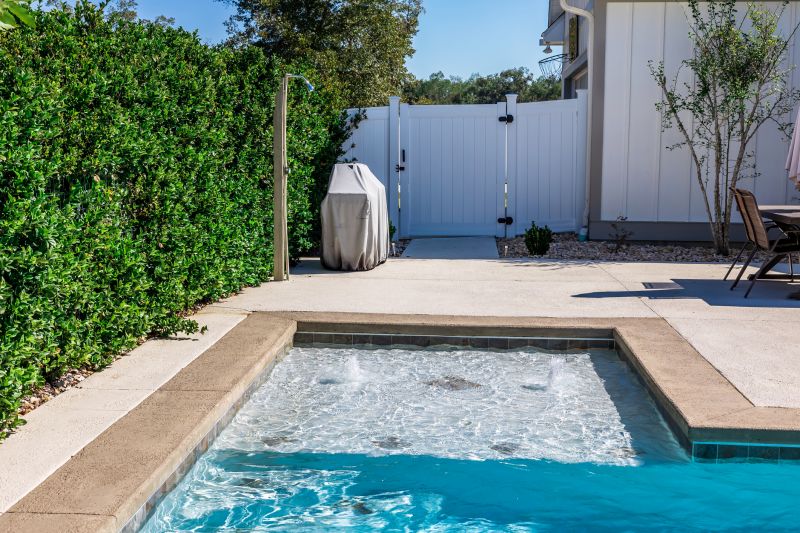
Finishes and colors that play nicely with Swale Installations.
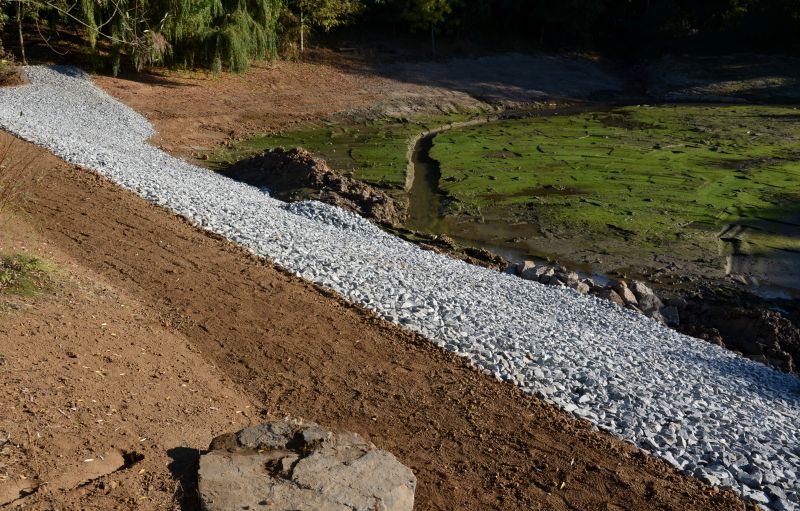
Little measurements that prevent headaches on Swale Installations day.
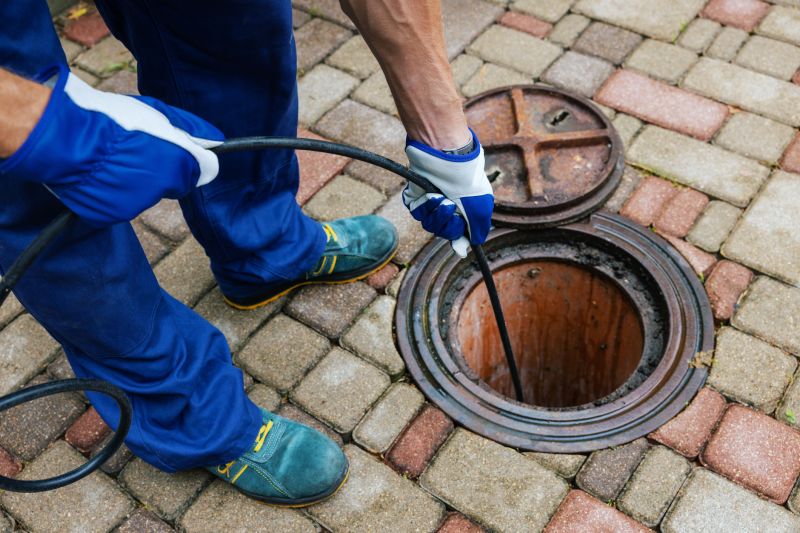
A 60-second routine that keeps Swale Installations looking new.
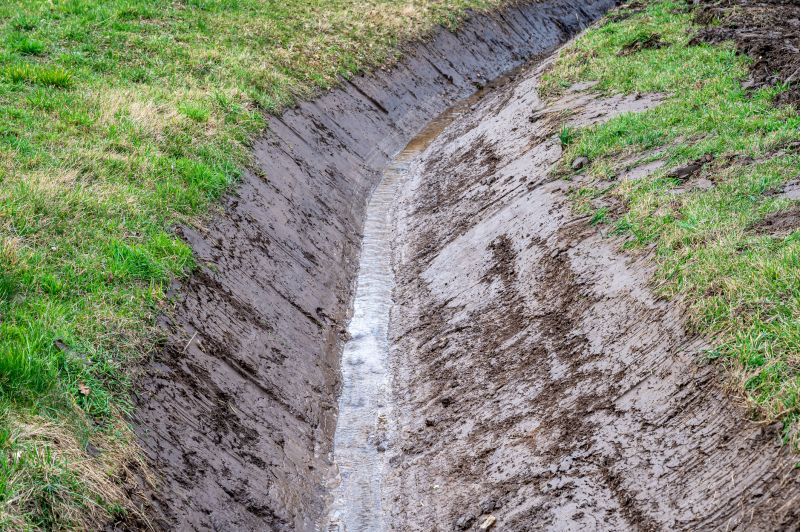
A frequent mistake in Swale Installations and how to dodge it.
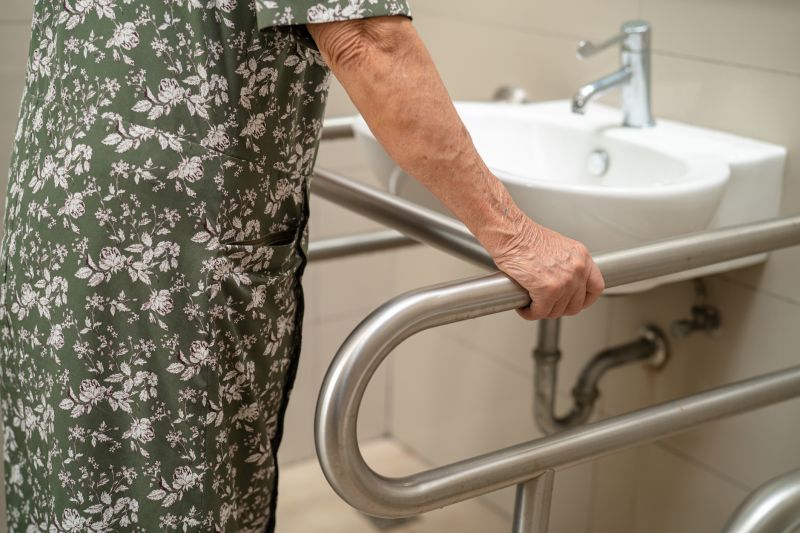
Small tweaks to make Swale Installations safer and easier to use.
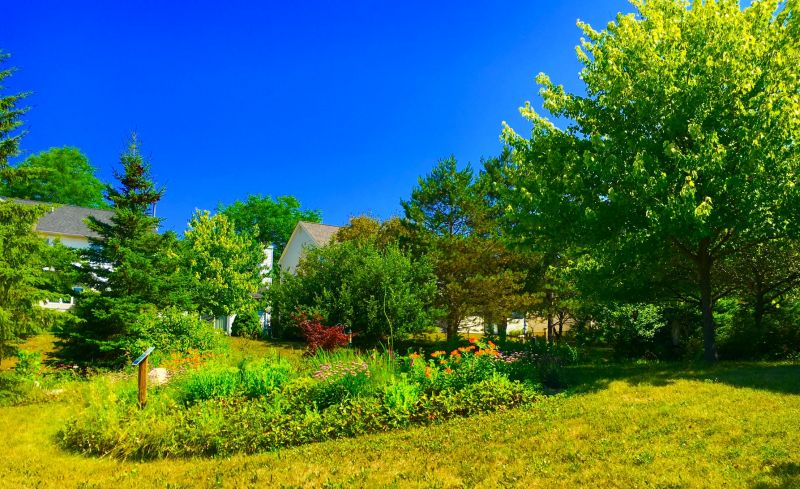
Lower-waste or water-saving choices for Swale Installations.
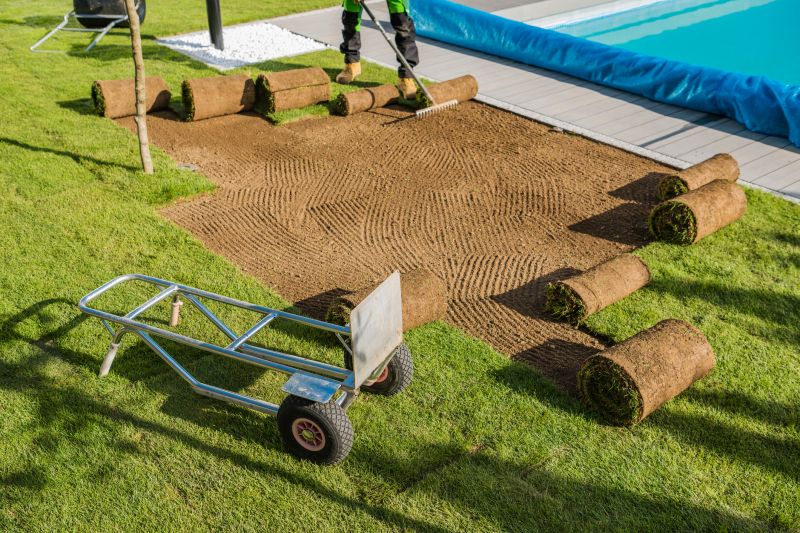
The short, realistic tool list for quality Swale Installations.
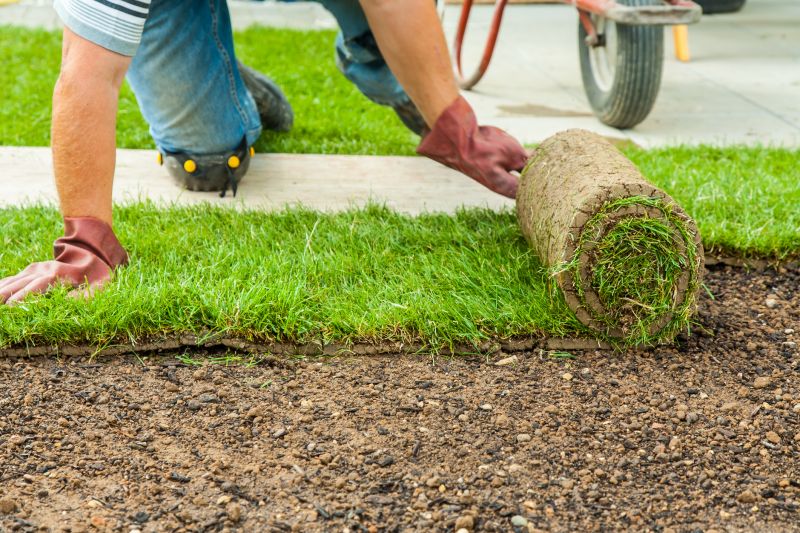
Rough timing from prep to clean-up for Swale Installations.
| Season | Ideal Conditions |
|---|---|
| Spring | Moderate temperatures and increased soil moisture promote plant growth. |
| Fall | Cooler weather and natural rainfall aid soil stabilization. |
| Summer | High temperatures and dry conditions can hinder establishment. |
| Winter | Generally unsuitable due to frozen soil and dormant vegetation. |
| Regional Variations | Timing should consider local climate and weather patterns. |
Interested in implementing swale installations? Filling out the contact form can provide tailored guidance and support for planning and executing these landscape features effectively.